Choose a morning tour if you want an early start, more flexibility later and a better chance of beginning sightseeing before the day feels full. Choose an afternoon tour if you prefer a slower morning, arrive later or want to keep your first hours open. Neither time suits every traveler.
For morning vs afternoon sightseeing tours, compare more than start time. Consider your energy, sleep schedule, travel plans, group needs and tolerance for changing conditions. Tour length and itinerary matter as much as the clock.
In this guide 7 topics
Who Usually Fits a Morning Tour
Morning tours suit travelers who wake easily, prefer structure and want a defined plan early in the day. They can also work well when you have other activities, reservations or transport later.
- Early risers who feel most alert before midday.
- Travelers with limited time who want sightseeing completed early.
- Visitors who prefer leaving afternoons open for independent plans.
- Families who want to schedule activities before children tire.
- Travelers who need a fixed activity soon after arrival.
A morning departure may feel demanding after an overnight journey or late arrival. Check the meeting time, required arrival buffer and travel distance to the meeting point before booking.
Who Usually Fits an Afternoon Tour
Afternoon tours suit travelers who prefer unhurried mornings or need time for breakfast, rest and arrival logistics. They may also fit people who become more alert later in the day.
- Travelers adjusting to a new sleep schedule.
- Visitors arriving in the morning who need time to settle in.
- People who dislike early departures.
- Travelers keeping mornings open for personal plans.
- Groups with different morning routines.
An afternoon tour leaves less time afterward for another major activity. Confirm the expected finish time and allow room for delays before making evening reservations.
Compare These Decision Factors
Energy and sleep
Pick the time when most people in your group can pay attention and walk comfortably. A theoretically convenient departure loses value if fatigue makes the experience stressful.
Schedule flexibility
Morning tours protect more of your afternoon, while afternoon tours protect more of your morning. Look at the full day, not only the tour itself. Include breakfast, transport, check-in requirements and recovery time.
Tour pace and group dynamics
A group may move differently depending on time of day. Some travelers become impatient when tired; others need a slower start. Discuss walking pace, breaks and personal priorities before choosing for a group.
Weather and comfort
Time of day can affect comfort, but conditions vary by destination and season. Do not assume morning always feels cooler or afternoon always feels harder. Check dated local forecasts and provider guidance close to departure when conditions matter.
Light and atmosphere
Some travelers care about light, visibility or atmosphere. These details depend on destination, season, route and weather. Treat general time-of-day impressions as planning preferences, not guarantees.
Illustrative Choices
Illustrative example: A traveler with a full evening reservation may choose a morning tour to create a buffer afterward. Another traveler arriving after a long journey may choose an afternoon departure to avoid rushing through breakfast and transport.
Illustrative example: A mixed group may choose the time that gives everyone enough rest, even if it reduces flexibility elsewhere. The practical choice is the one the whole group can follow without pressure.
Mistakes to Avoid
- Choosing only by headline start time.
- Assuming a morning tour will finish early enough for a fixed booking.
- Scheduling a tight connection after an afternoon tour.
- Ignoring the meeting point and arrival instructions.
- Treating broad weather assumptions as destination-specific facts.
- Booking for a group without discussing sleep, walking and meal preferences.
Booking Checklist
- Confirm exact start and expected finish times.
- Check meeting point, arrival buffer and transport needs.
- Review walking, standing and break expectations.
- Compare tour length with plans before and after.
- Check provider terms for changes, cancellations and late arrival.
- Review current local weather before departure.
- Confirm any accessibility or health-related needs directly with the provider.
Frequently Asked Questions
Is a morning sightseeing tour better than an afternoon tour?
Not universally. Morning works better for early risers and travelers protecting later plans. Afternoon works better for slower starts, later arrivals and travelers who prefer not to rush.
Which time gives more flexibility?
Morning tours usually leave more of the day afterward, while afternoon tours leave more time beforehand. Compare your complete schedule before deciding.
What should travelers verify before booking?
Verify start and finish times, meeting instructions, tour pace, current provider terms and any requirements affecting your group. Confirm changing weather or local conditions through appropriate current sources.
Next step: write down your group’s preferred wake-up time, fixed plans and required buffers. Choose the tour period that creates the fewest rushed transitions.
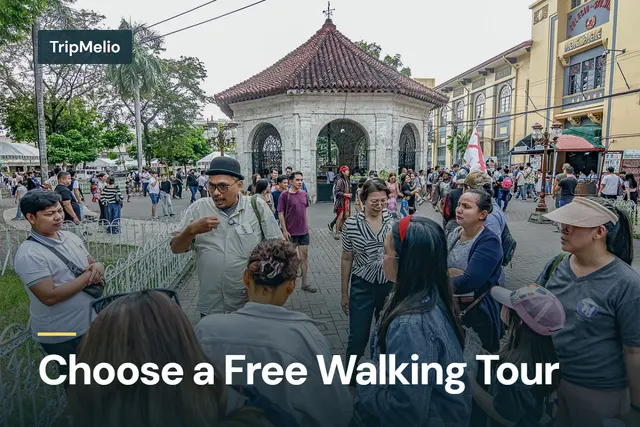
Featured photo: Planning for the weekend (Unsplash).jpg by Annie Spratt anniespratt / CC0. Cropped and resized. Editorial title added.