A food tour suits travelers who want to sample prepared dishes across guided stops. A cooking class suits travelers who want hands-on time preparing food. The right choice depends on whether you prefer tasting and moving around or learning by doing, along with the group format, pace, and practical terms offered by the provider.
This guide compares general activity formats. It does not describe a specific operator or destination. Details such as menu, duration, accessibility, dietary accommodations, and cancellation terms vary, so check them directly before booking.
In this guide 7 topics
Who each activity suits
Choose a food tour if you want to taste and explore
A food tour may fit travelers who enjoy trying several prepared items and moving between stops with a guide. It can also suit people who want food to shape an outing without taking part in meal preparation. Ask how much walking or standing the itinerary involves, how many stops are planned, and whether the guide can accommodate your dietary needs.
Choose a cooking class if you want hands-on learning
A cooking class may fit travelers who want to practice techniques, follow instructions, and spend a larger part of the activity preparing food. Participation can feel more engaging, but it also means following the instructor’s pace and working in a shared setting. Check what participants will prepare, how much hands-on work is included, and whether the class format matches your comfort level.
Compare the experience, not just the name
- Main activity: A food tour centers on tasting and guided stops. A cooking class centers on food preparation and instruction.
- Pace: Tours may involve transitions between stops. Classes may keep participants in one setting for much of the activity. Confirm the actual format with the provider.
- Participation: Tours generally ask you to taste and follow the group. Classes ask you to participate in preparation to the extent stated in the listing.
- Group dynamics: Both formats can be shared with other travelers. Ask about group size, interaction, and whether the activity is private or shared.
- Food needs: Do not assume either format can meet an allergy, dietary restriction, or preference. Ask the provider before booking and get clear confirmation.
- Practical demands: Check walking, standing, language, physical access, schedule, and what the booking includes. These details differ by activity.
Illustrative examples
Illustrative example: If your priority is sampling different prepared foods while hearing context from a guide, a food tour may be the closer match. Verify the stops and tasting details rather than assuming every tour offers the same variety.
Illustrative example: If you would rather learn a cooking process and help prepare a meal than move between tasting stops, a cooking class may be the closer match. Confirm how much of the session is hands-on and what the provider supplies.
A practical decision checklist
Before choosing, answer these questions:
- Do you want to taste prepared food or practice preparing it?
- Would you rather move between stops or spend more time in one setting?
- How comfortable are you with shared group activities and instructor-led participation?
- Have you checked duration, meeting details, walking or standing expectations, and language?
- Has the provider confirmed any allergy, dietary, or accessibility request you need accommodated?
- Have you read the current inclusions, cancellation terms, and other booking conditions?
Mistakes and limitations to keep in mind
Do not assume a food tour includes a full meal, or that a cooking class gives every participant equal hands-on time. The label alone cannot confirm menu, group size, pace, accessibility, or suitability for a particular dietary need. Provider descriptions and terms are the relevant source for those details.
Also avoid choosing only by broad expectations about which activity feels more relaxed or social. A tour can involve substantial walking; a class can involve long periods standing or close coordination with others. Ask specific questions if those factors affect your comfort.
Frequently asked questions
Which is better for a traveler who does not want to cook?
A food tour is the more direct fit if you want to taste prepared food rather than take part in preparation. Check the activity description to confirm what the tour includes.
Which is better for learning cooking skills?
A cooking class is designed around preparation and instruction, but the amount of practice varies. Ask what participants will do themselves and what skills the session covers.
Can either option work with dietary restrictions?
Possibly, but do not assume accommodation. Contact the provider before booking, describe the restriction clearly, and rely on explicit confirmation.
Next step
Pick the activity that matches your preferred way to spend the time, then compare provider details against the checklist. For more on TripMelio’s editorial approach, read How We Research Travel Guides.
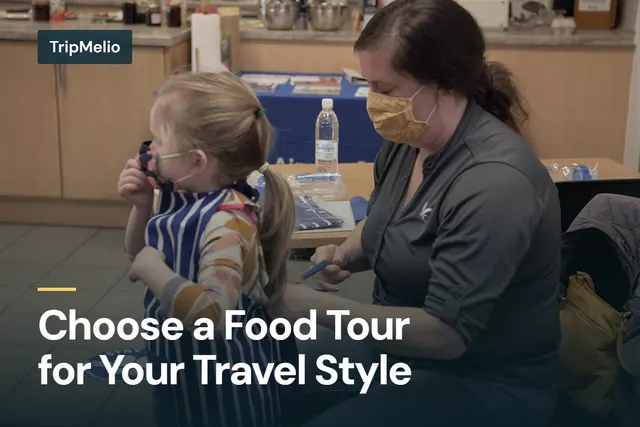
Featured photo: EFMP Families Enjoy German Cooking Class (6861313).jpg by U.S. Air Force photo by Staff Sgt. Susan Roberts / Public domain. Cropped and resized. Editorial title added.